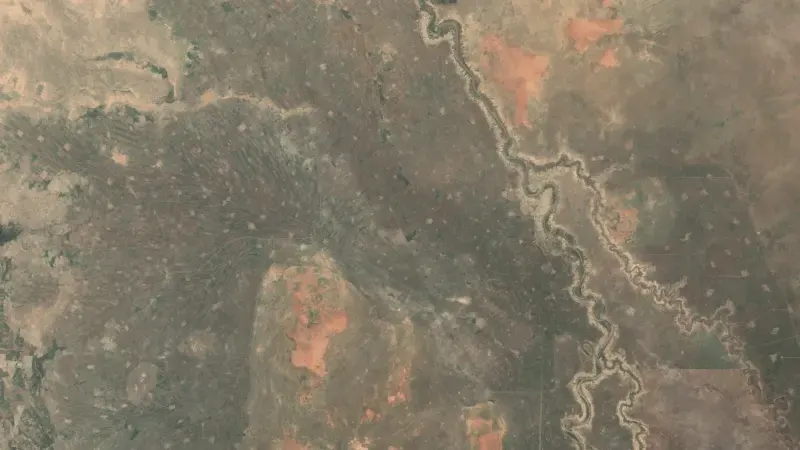
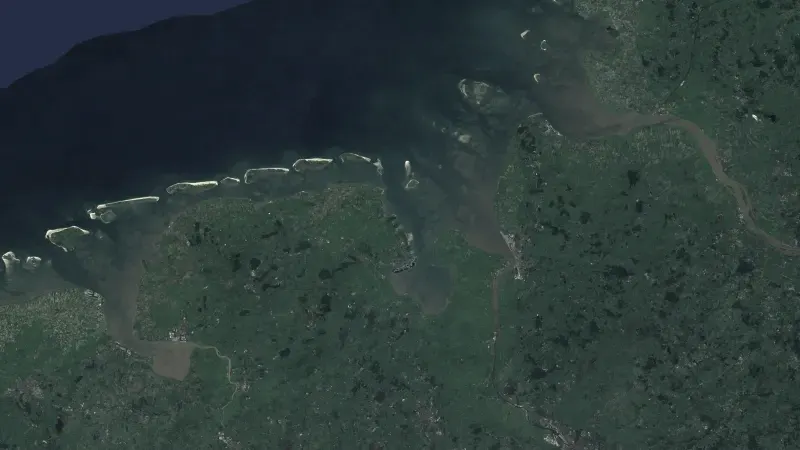
CERES goes into production
Every week, CERES publishes the risk of a food crisis 90 days ahead for 43 countries, as open data. The forecasts are logged before anyone knows how things turn out.
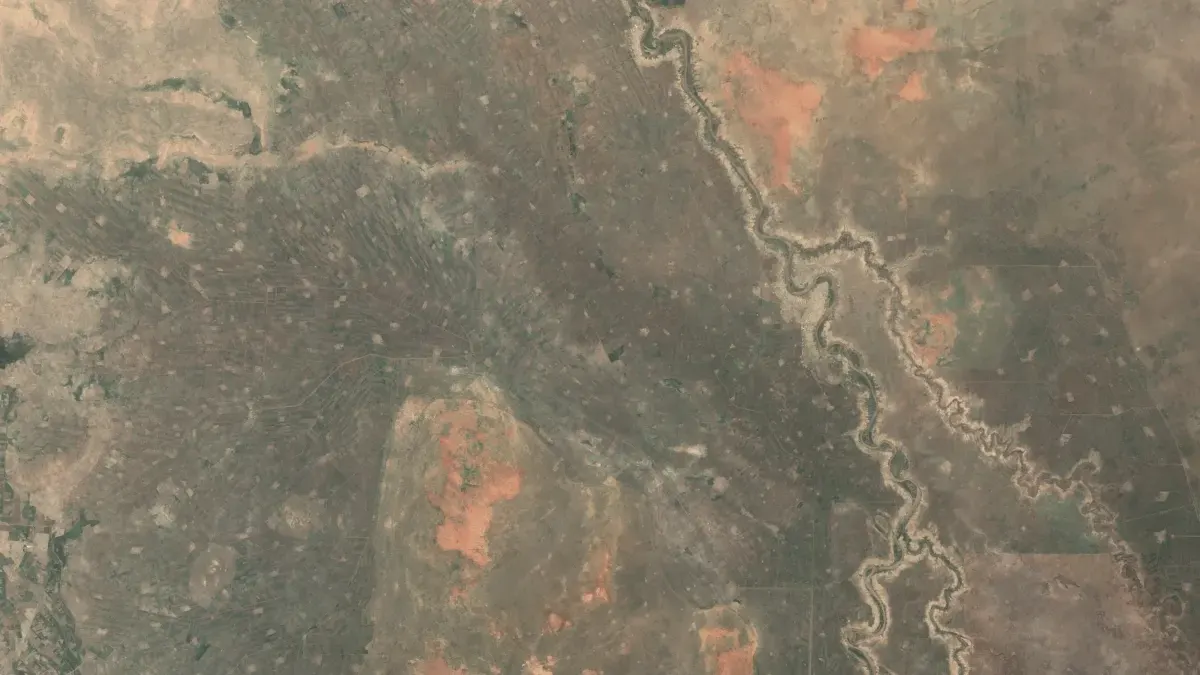
Ninety days of warning
Aid takes time to move. Food has to be bought, shipped and stored before a crisis peaks. A forecast 90 days ahead gives agencies and governments a window to act while it still makes a difference.
Open data in, open data out
CERES reads six open sources: rainfall from CHIRPS, vegetation from MODIS, conflict events from UCDP, the IPC food security classification, food consumption from WFP and cereal prices from FAO and WFP. It runs every week and publishes the result as open data under CC BY 4.0.
Logged first, graded after
Each forecast gets a permanent identifier and goes into a public ledger before the outcome is known. It is then scored against what happened. CERES is the clearest example of how Northflow works: turn open satellite and field data into a forecast people can act on, and publish how well it did.